FALC Prairie Grass Controlled Burn
Purpose of Controlled Burn
Keeps prairie healthy - particularly by removing dead organic material, called thatch, which builds up every fall and winter
Prevents weeds and invasive species growing there from out-competing the native prairie plants
Maintains a grass ecosystem, where woody shrubs and trees would otherwise take over.
Safety
Contract with an organization of professionals - largely firefighters
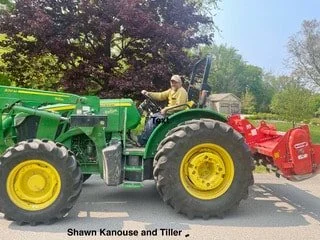
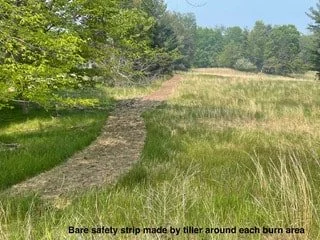
There is a burn plan, managed by a “Burn Boss” that includes, that includes preconstruction of fire breaks or perimeter mowing, burning into the wind and downhill where possible, performed in sections where each is secured before moving on to the next
Conditions must be perfect: recent rain but dry enough to burn, east wind, conducted in the “off” season when few people are in the area.
Story of 2023 Controlled Burn
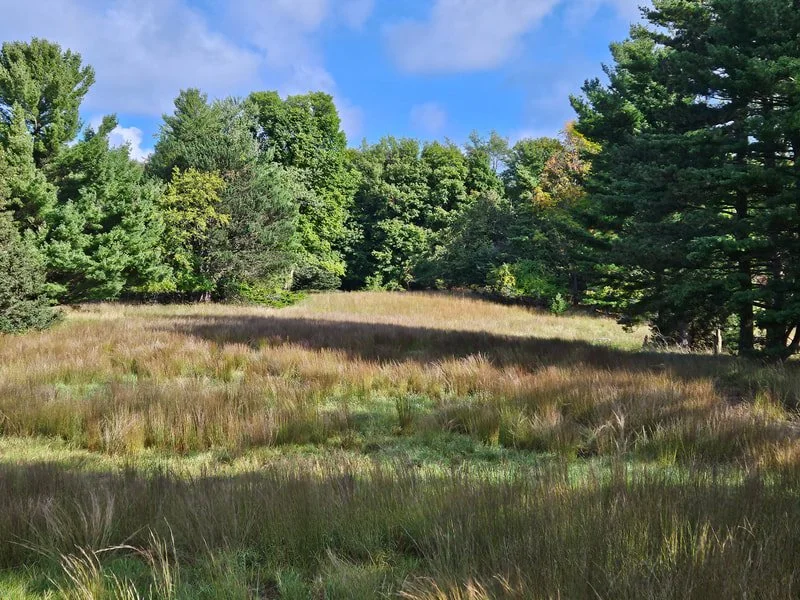
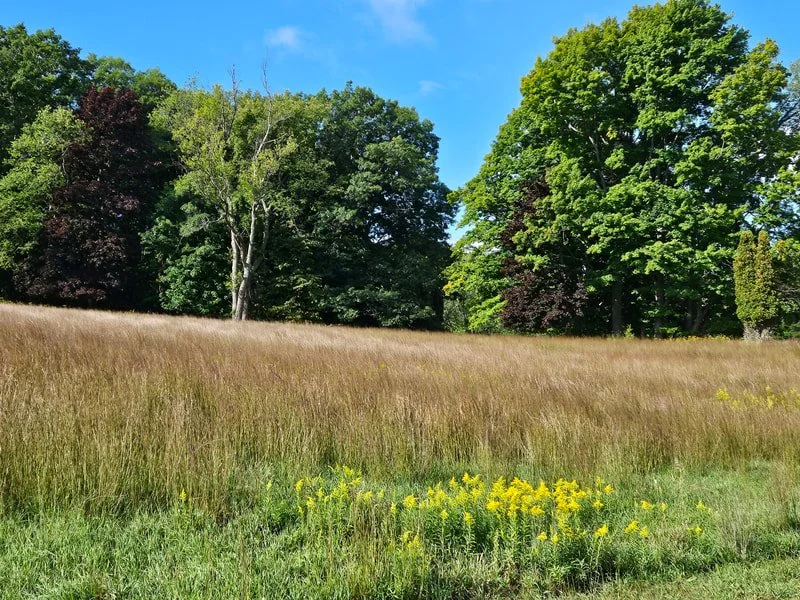
The Frankfort Area Land Conservancy planted Little Bluestem on conservancy lands just over ten years ago. We had been told regular maintenance was required. For sometime that meant mowing but, after years of thatch build-up, the only functional option, to ensure the grasslands would thrive, appeared to be a controlled burn.
We did not approach this option lightly. We spent almost two years researching what other regional conservancies did to maintain their prairie grasses, what the experts advised, and came to the decision to do a controlled burn. After determining that no one had the proper equipment to mow any longer, given the state of the grasses, the FALC Board voted to proceed in 2020.
We also learned, in the course of our investigations, that fresh grass seeds and wildflower seeds would be released during a burn and weeds would be overcome. The burn should allow our grasslands to thrive.
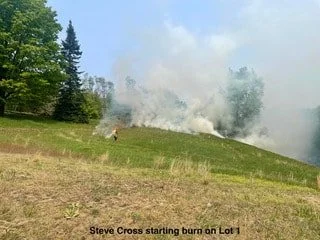
The acknowledged experts of controlled burns, in the state of Michigan, were Kanouse Outdoor Restoration, out of Belding, Michigan. Every Conservancy we spoke with recommended them. One of their senior crew members, Steve Cross, visited the Conservancy in 2020 and provided a proposal for a burn in 2021. The Board naively believed the burn would actually occur that year and set about educating our near neighbors about the burn. Little did we know that the combination of "moderate east winds, soil not too dry or too wet and not too many people around" would take almost three years to present itself.
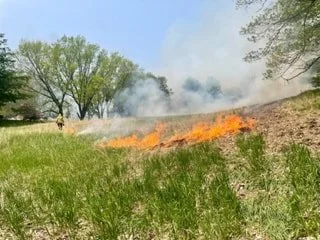
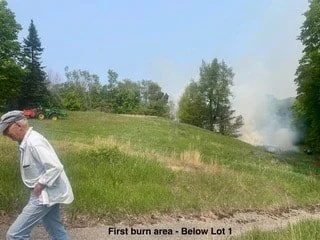
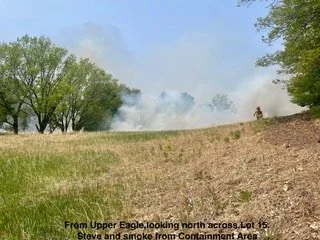
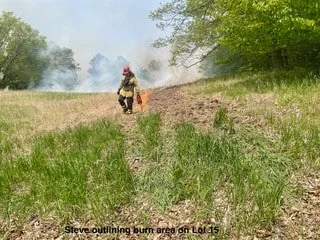
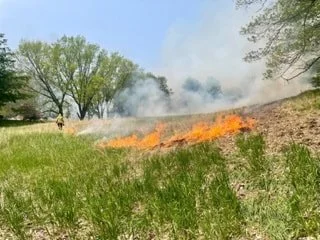
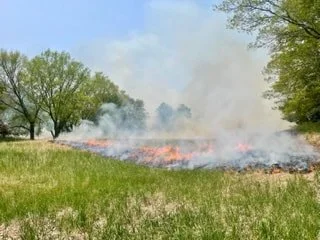
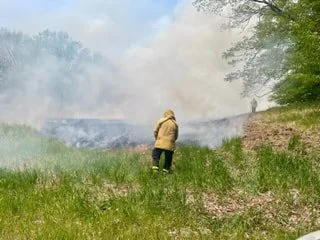
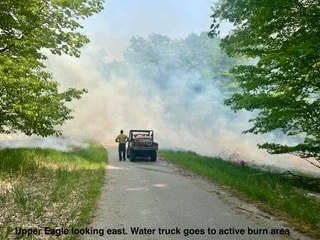
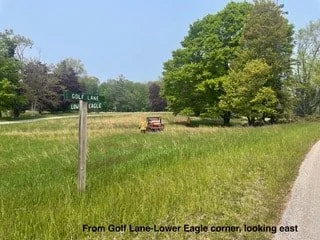
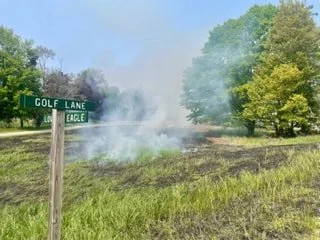
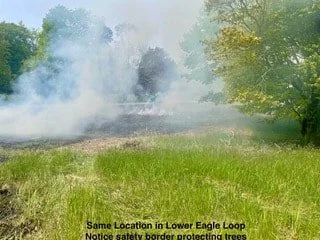
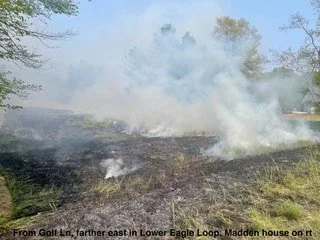
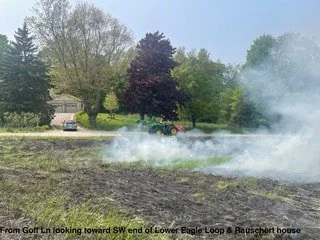
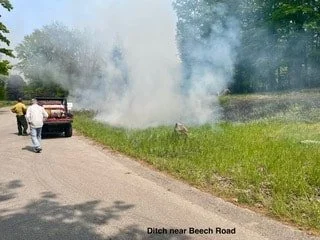
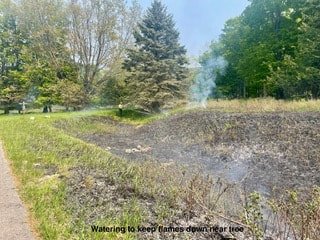
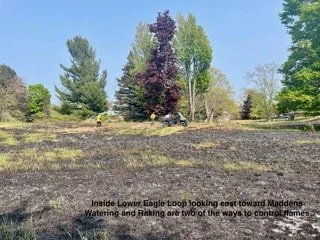
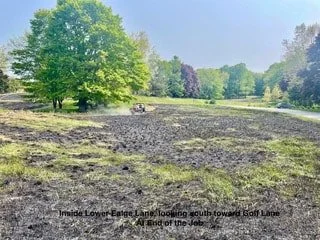
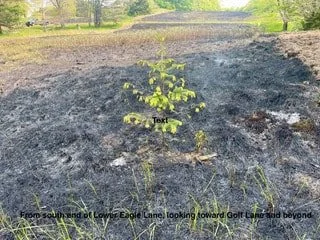
On Tuesday, May 23, 2023, we were notified that “today is the day.” With very little time, we notified over 200 folks in the surrounding area: CSA, Wildewood, Golf Lane and Ness Road. The Kanouse crew arrived at 11:00. By 11:30, they were set up to begin and did so. By 3:00, they had completed the burn of the area just left of the entrance; the lower valley; the strip along our northern/CSA southern border; the containment field; the circle and area to the south at Upper Eagle. They also burned a couple of lots at the request of their owners.
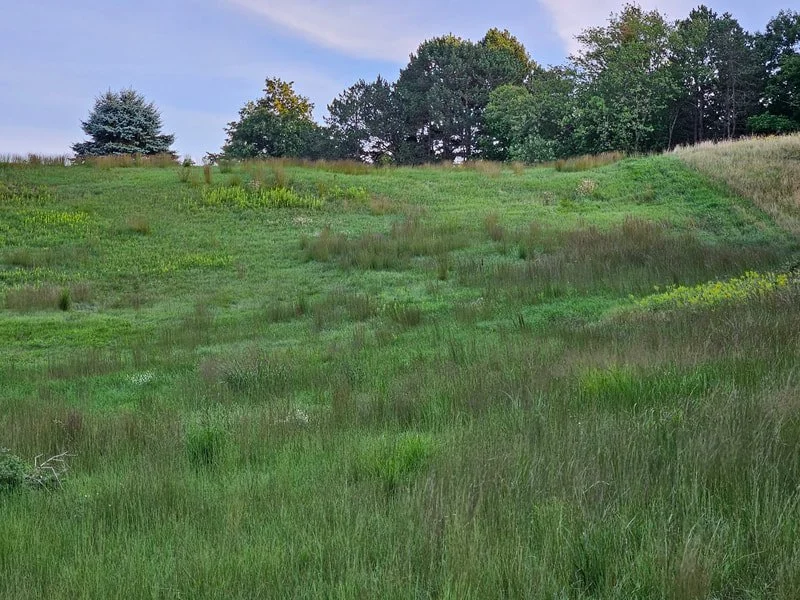
The burning grasses were completely out by the time the crew departed. A FALC Board member walked the property over the next two days and found nothing smoldering. The burn appears uniform throughout. We were advised that a good rain and a warm day would result in re-greening. There were no mishaps or other unexpected issues. We were advised to burn again in 3 to 5 years.
Burn Day, May 2023…
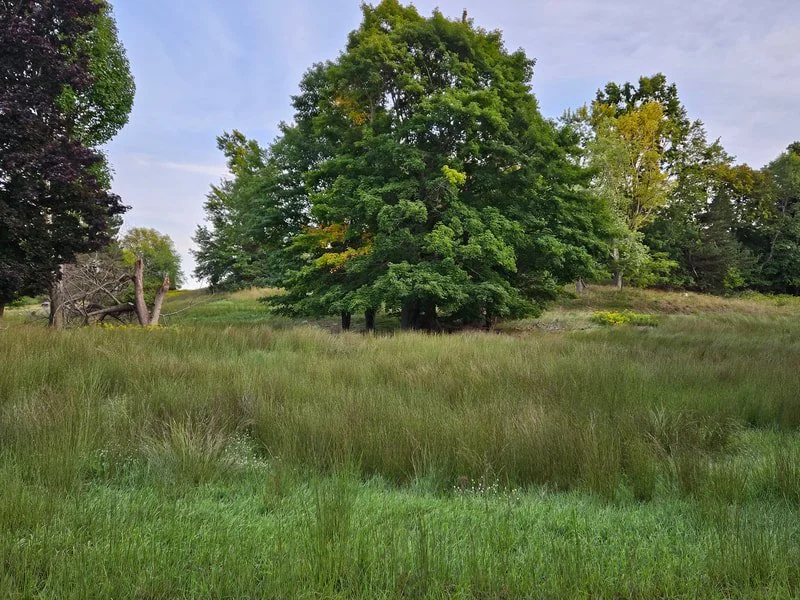
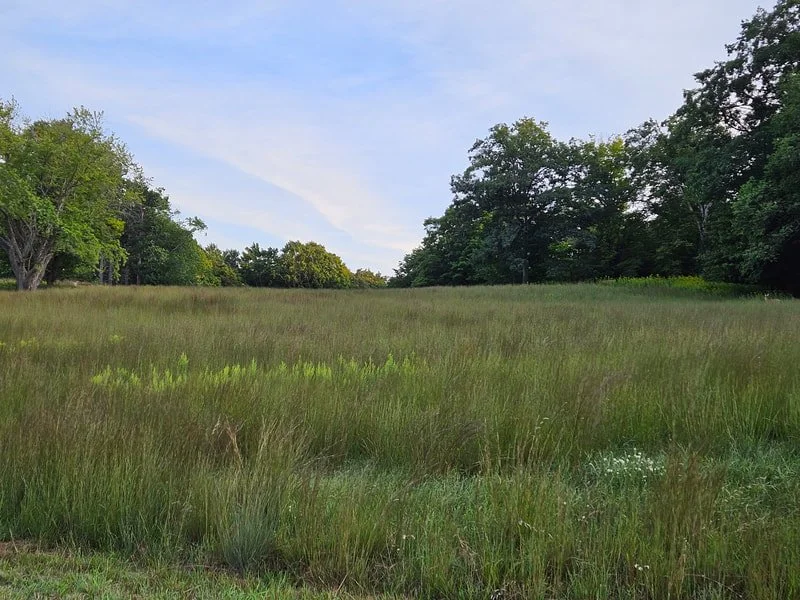
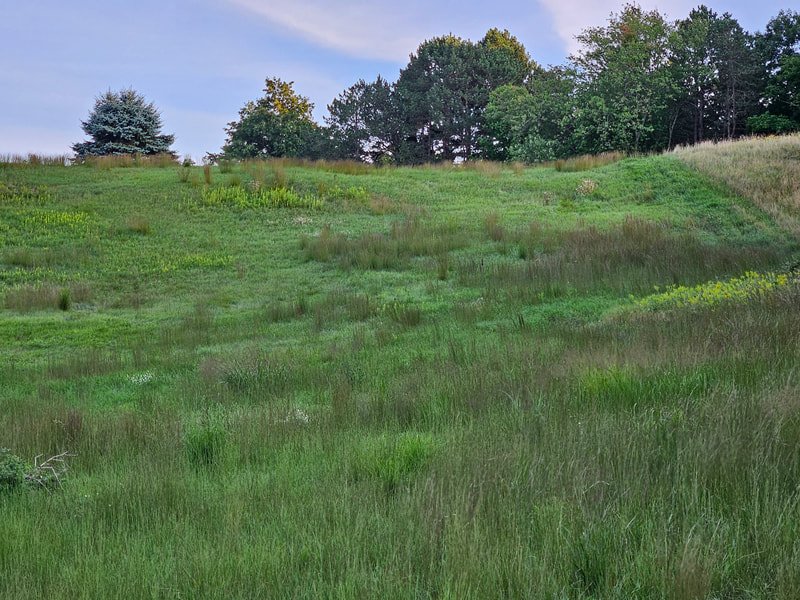
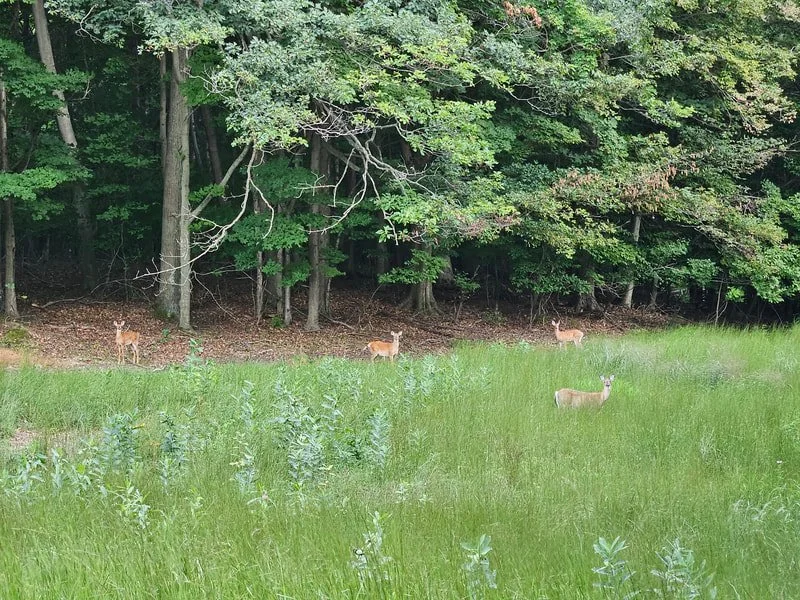
Summer 2023…
Photos courtesy of Nancy Baglan
Photos of FALC during the summer following the Burn courtesy of Ruth Clements Gottlieb