Our Conservation Projects
Our approach to environmental stewardship is captured in our Vision statement, with primary emphases on restoring and sustainably preserving the natural beauty of our Michigan dune grasslands and forest, and ensuring the integrity of the containment area.
Native Plants
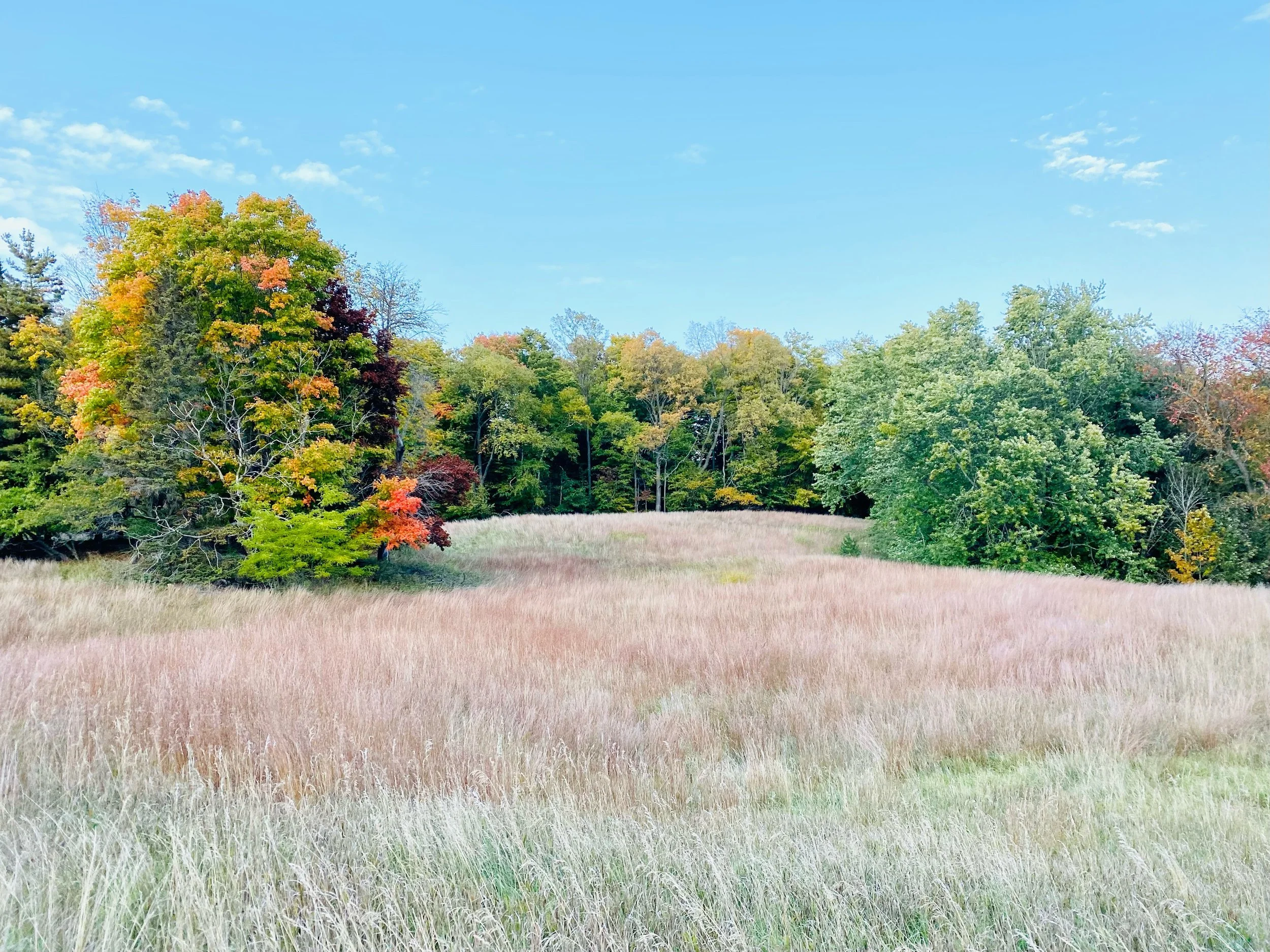
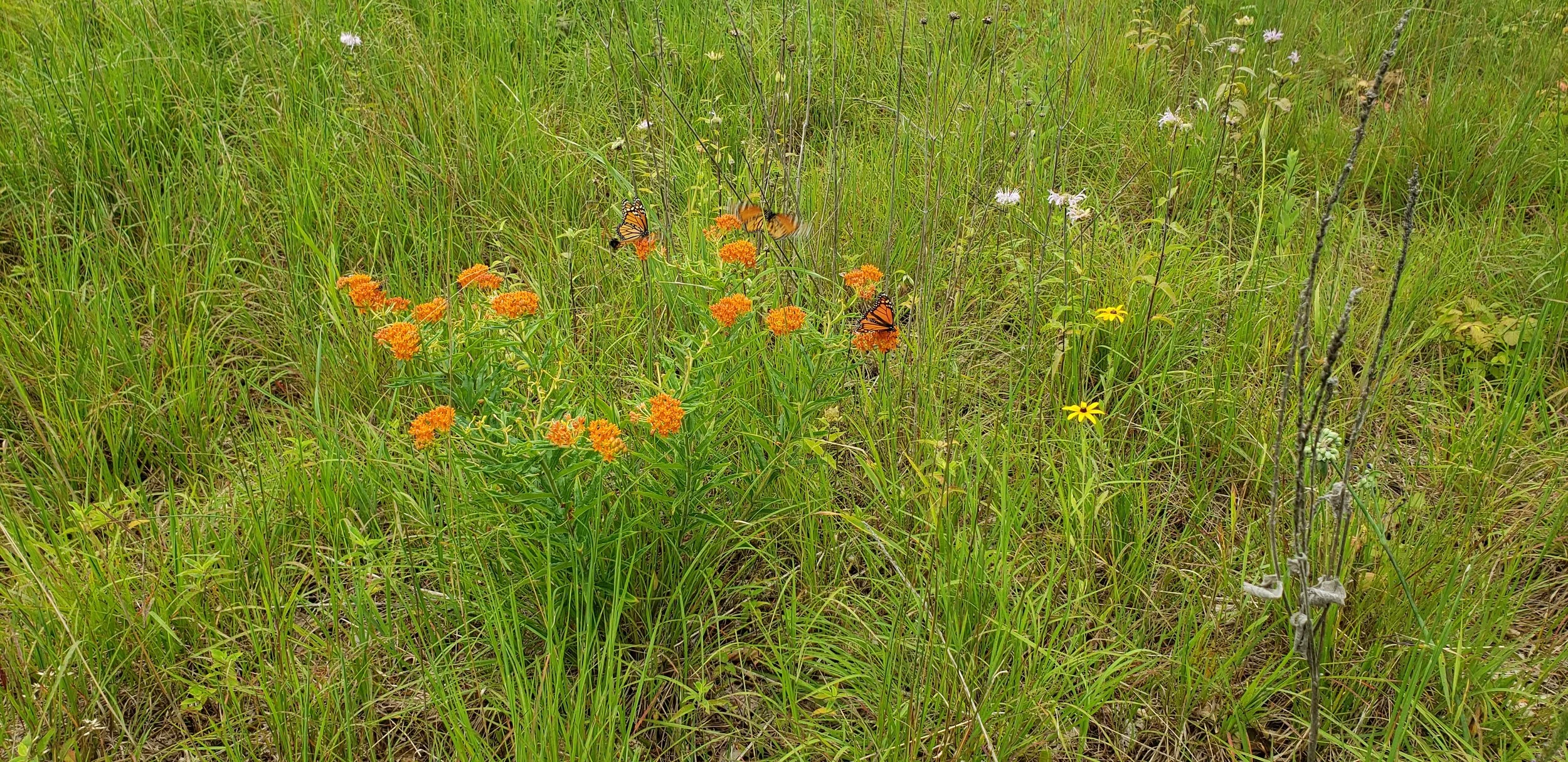
Preservation of native plants involves both the reintroduction of pre-European grasses and plants, along with the protection of forest areas, and the eradication of invasive plant species that spread uncontrolled without action that keeps them in check.
A controlled burn is conducted every 3 - 5 years to restore the native prairie grasses and manage invasive species and woody plants.
Invasive Species
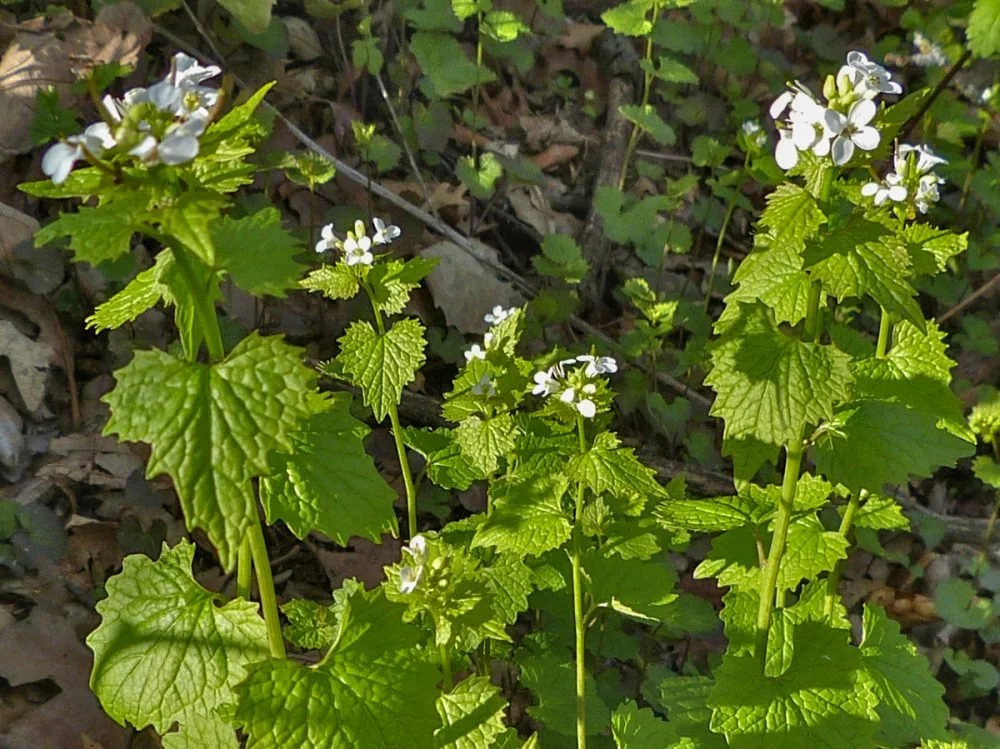
Non-native invasive plants are undesirable. They displace native plants, degrade wildlife habitat, spread to other properties, and cause long-term property degradation. Some non-native plants form monocultures which overwhelm native plants, depriving those native plants of space, light and nutrients, and as a result, deprive beneficial insects and birds of food sources. These aggressive non-native plants are called non-native invasive plants.
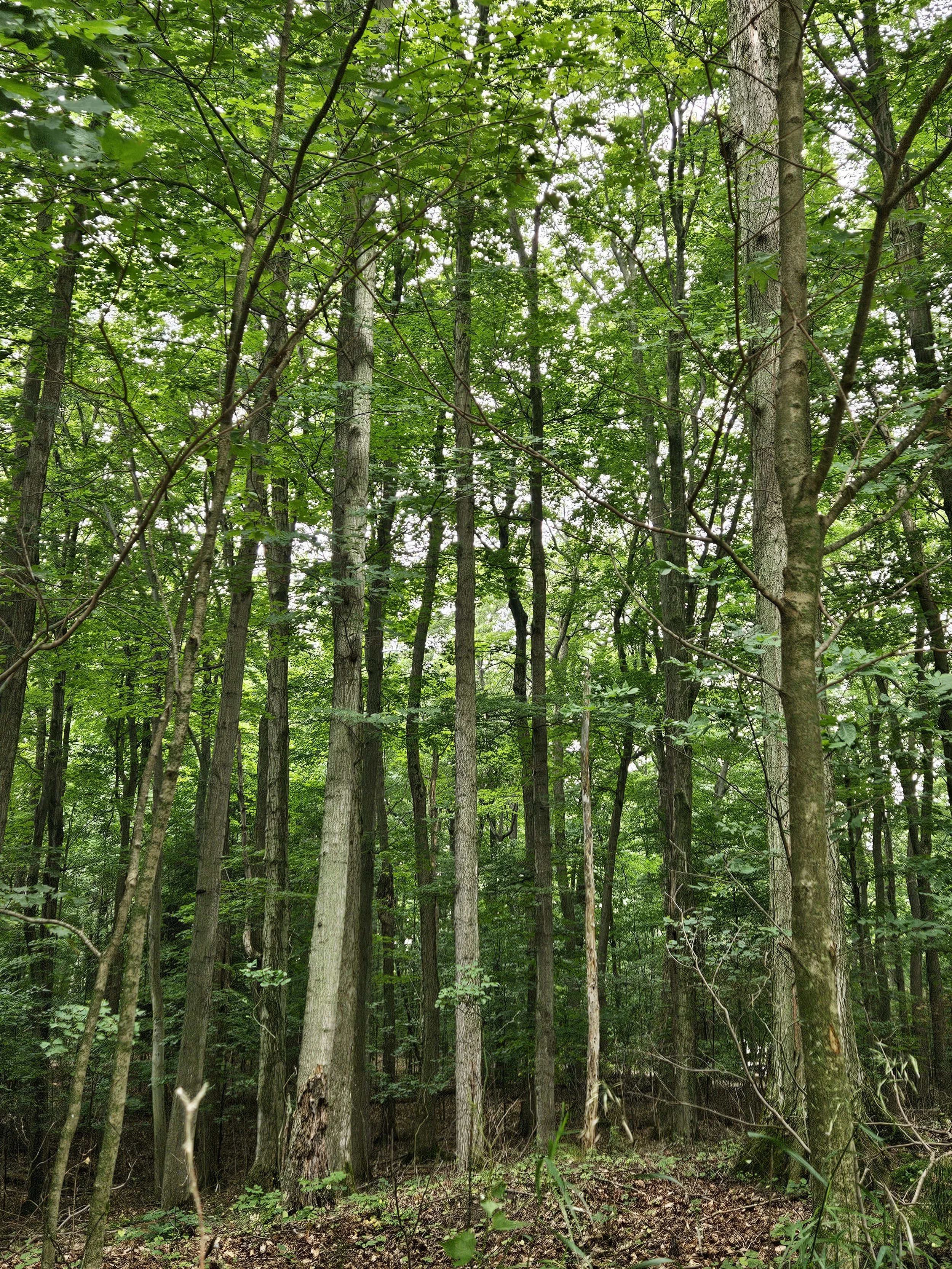
Forests & Trees
The forest is a very important part of the FALC property. It provides habitat for wildlife, reduces carbon dioxide, prevents erosion, creates fertile soil, provides shade, and is remarkably beautiful.
Containment Area
How the contaminated soil from the old golf course is safely contained, protected and regularly inspected
An important issue in the development of the property from a golf course to a Conservancy was the proper management of the pesticide-contaminated soils which were a by-product of golf course maintenance. The recommended remedy for these pesticides was to cover any contaminated soils with 6 inches of topsoil to avoid contact by individuals*. We felt this approach was not adequate for a long-term solution.
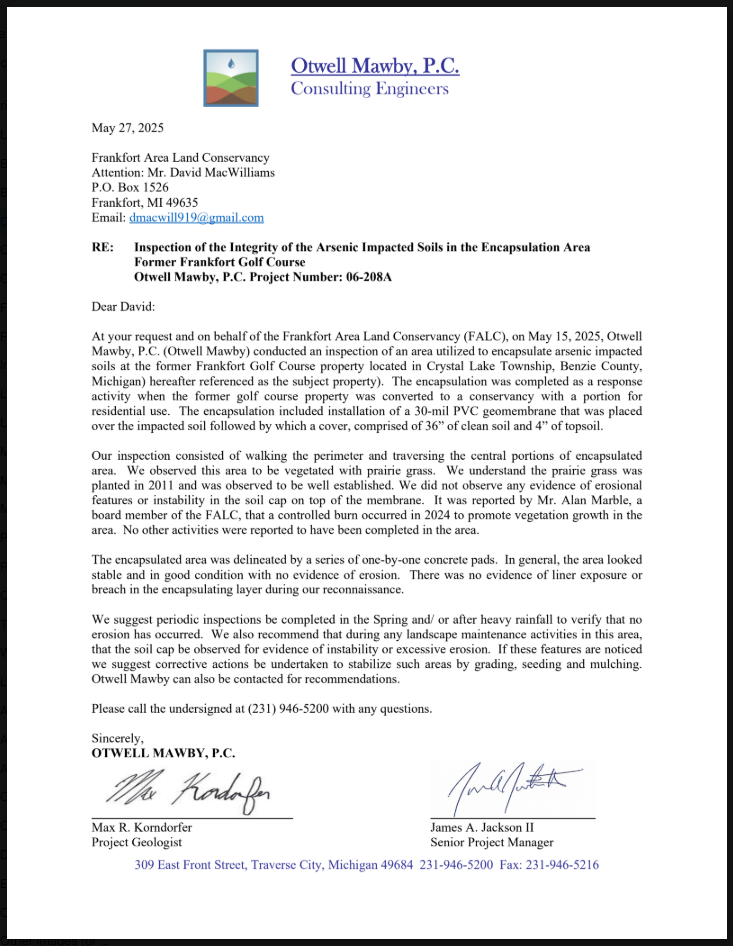
As the site had 25 separate areas with contamination (tees, greens, etc.), the decision was made to utilize a management approach which would have greater long-term certainty and security. Thus a plan, approved by the Michigan Department of Natural Resources, was developed and implemented, in which all contaminated soils (plus soils within 10 feet of any contamination) were excavated, and were all brought to a single area prepared to receive them. The contaminated soils were then covered with an appropriate plastic membrane, and 3 to 5 feet of clean soil. This area of almost 2 acres is delineated with markers and is inspected regularly by professionals to assure the integrity of the containment. The most recent inspection report is shown below and indicates good containment.
*The pesticides involved contained arsenic and lead, with the levels of arsenic being of principal concern. These pesticides are very immobile, and do not leach through the soil. The pathway for risk to humans is by contact with the contamination, and subsequent oral ingestion of the contaminated soil.