Our Vision
The charter of the Frankfort Area Land Conservancy is to preserve the natural beauty of its land; to protect and enhance habitat for birds and other native wildlife; to manage the containment area; and to educate the community about sustainable management of the natural landscape.
We will strive to preserve the land in its natural state, where native/indigenous flora and fauna are nurtured and protected. We will enhance, preserve and protect the sights, smells and sounds of nature (including silence) and will maintain the general look and feel of the land as it existed when given to the Conservancy. When material changes need to be made, we will respect the interests of those who gave the property and will actively solicit the input of the Conservancy’s neighbors and residents of Pilgrim Preserve.
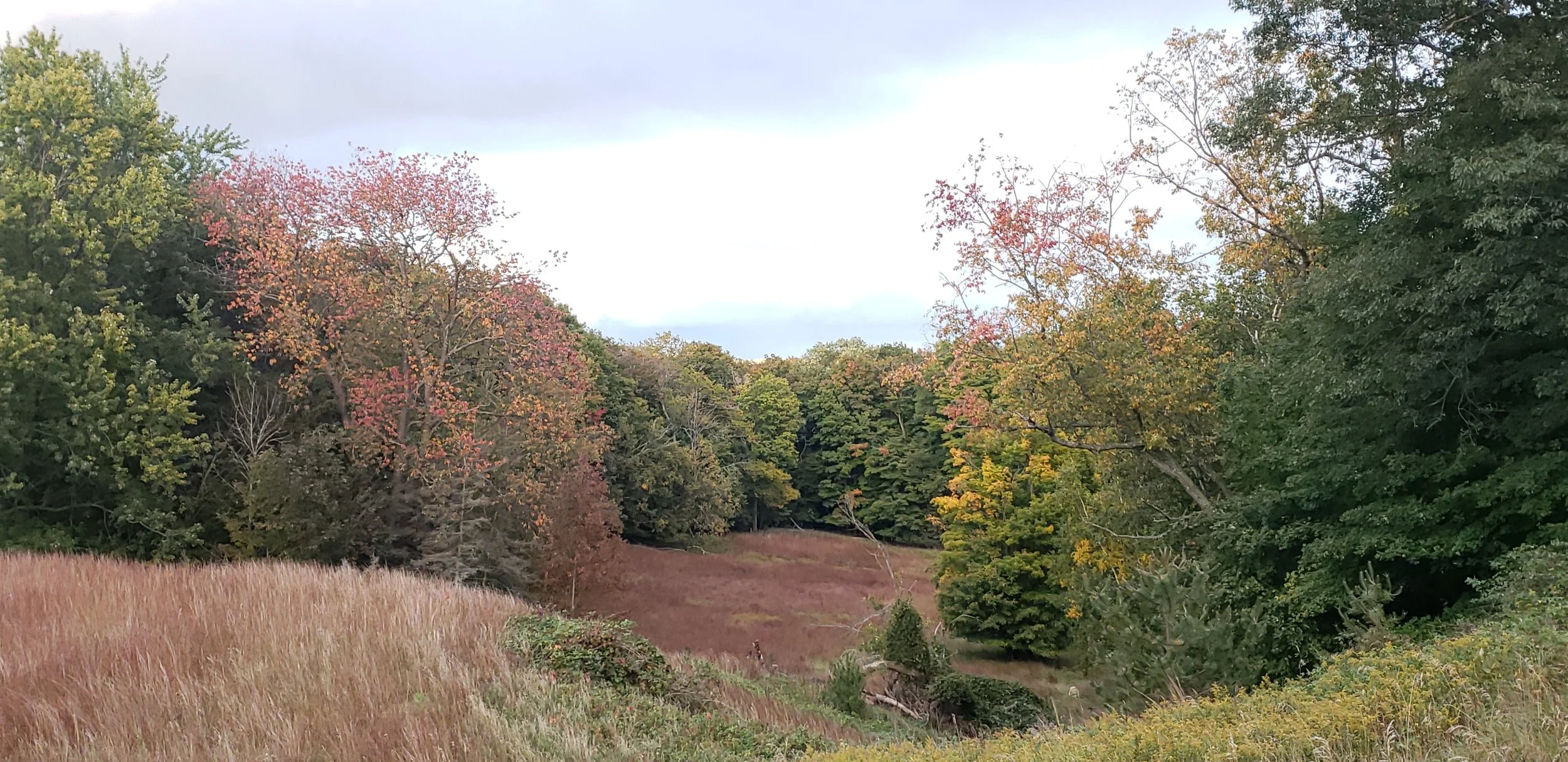
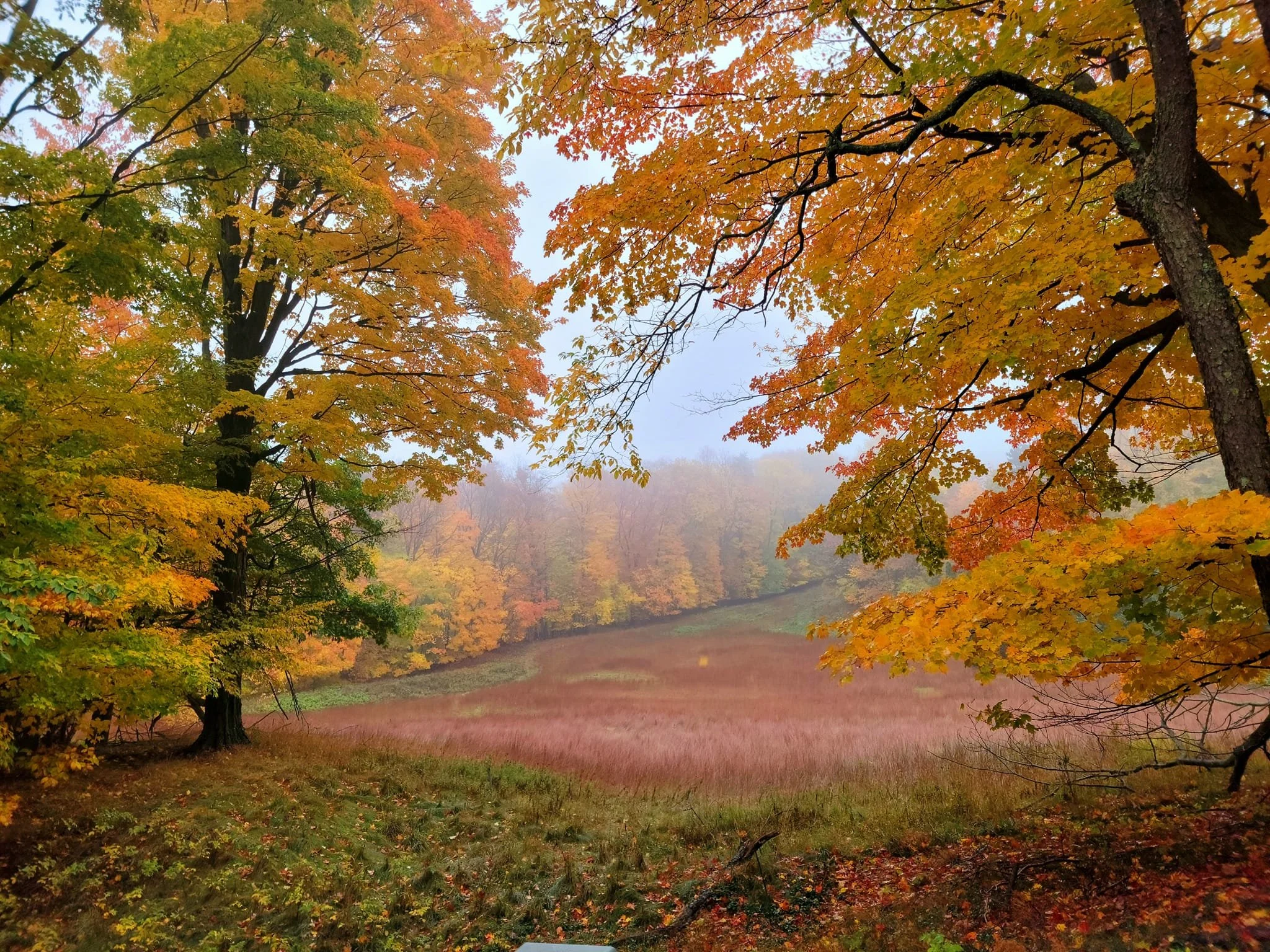
The Conservancy will maintain the existing forests and augment them while respecting the current vistas. We will promote tree planting, as trees provide food and shelter for wildlife, clean the air, fight erosion and create fertile soil. In addition, we will plant native grasses to provide habitat for the North American songbirds that cross the Conservancy during their annual migration.
Human intervention will be low impact and any areas thus impacted will be shielded by plantings to the extent possible. Simple walking paths exist via the roadways crossing the property. A viewing area is available for comfort and reflection at the property’s highest point.
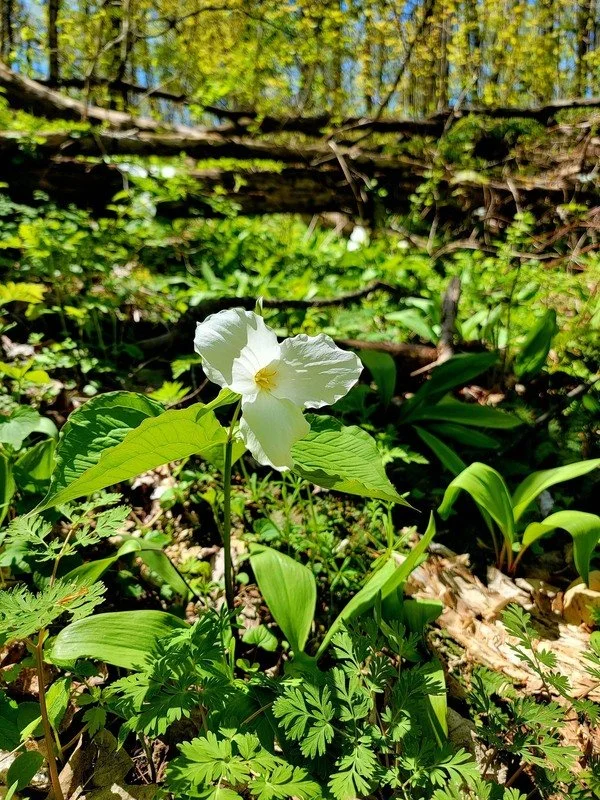
We will protect the Conservancy’s land, air and surrounding waters from pollution, toxins, and invasive species. The containment area will be inspected annually, or as recommended, by a licensed environmental consultant. No trees will be allowed on the area to avoid compromising the containment. Continuing efforts will be made to control invasive plant species and to encourage native plants on the forest floor.
The Conservancy will strive to be an exemplary nature preserve. Through education programs, examples and demonstrations available to the community, the Conservancy will model sustainable ecological practices and respect for the natural world.
Our Board
FALC’s Board of Directors is comprised of volunteer members who reside near Frankfort at least part of the year and who have a deep love of this area, appreciate its beauty, care about the protection of native plants and wildlife, and desire to preserve it for future generations.
Current Directors:
Officers:
President: David MacWilliams
Treasurer: Brian Potter
Secretary: Ruth Clements-Gottlieb
Members:
David Belknap
Beth Madden
Alan Marble
Lucas Nerbonne
Our History
Origin
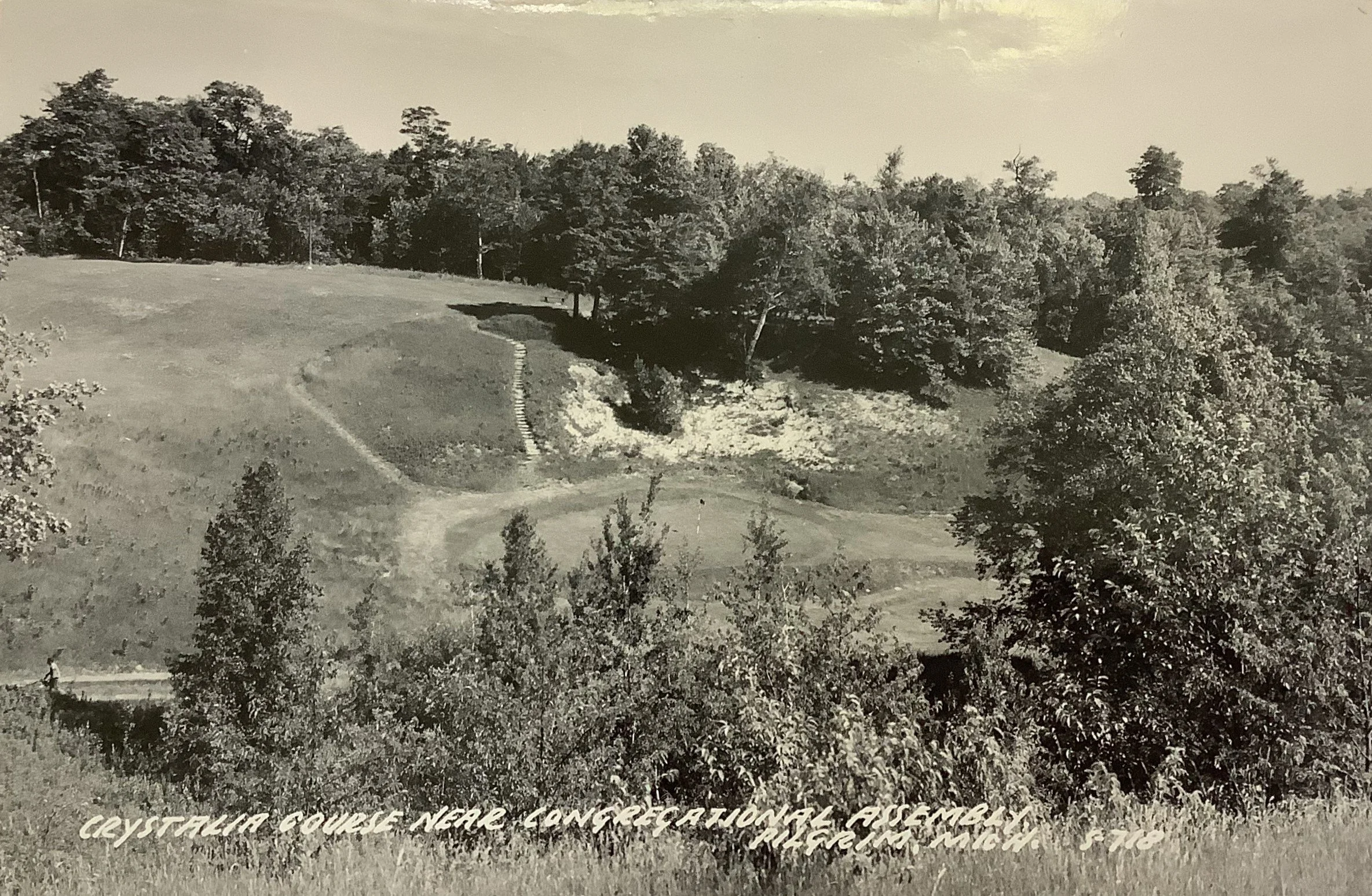
In 2006, a group of Congregational Summer Assembly (CSA) families purchased the 47+ acre Frankfort Golf Course from its owners who were retiring and who had an offer to purchase the land to build high-density housing. They were committed to keep the land from such extensive development and to ensure that its future was consistent with CSA principles and values. Their plan was to design and set aside twenty-three lots where families in the purchasing group could build cottages and to donate the rest of the land to a non-profit land conservancy.
From 2006 until 2009 the purchasing group worked to successfully implement their basic plan. They cleaned up pollution left by golf course operations, got zoning approval from Benzie County for a planned development, and donated 26 acres (more than half of the golf course parcel) to a newly formed Michigan not-for-profit corporate entity – the Frankfort Area Land Conservancy. This new Conservancy applied for IRS 501 (c) (3) public charity status and received it in the summer of 2010.
Timeline Highlights
2006 -- Purchase of Frankfort Golf Course
2008 -- Distribution of lots on Pilgrim Preserve; creation of FALC (21 acres surrounding Pilgrim Preserve)
2010 -- IRS 501 (c) (3) public charity status attained.
2010 -- Decision to plant little bluestem after research - 16 acres to be planted. Project value $22,200 Fund raising and grant application to US Fish and Wildlife
2011 -- Grant of $7500 over 2012/2013 from US Fish and Wildlife; we committed to maintain grasslands for ten years (2022)
2012 -- Planting of grasslands
2014 -- Decision to plant wildflowers; fundraising and grant application
2015 -- Grant of $4000 for 2016 from US Fish and Wildlife; committed to maintain grasslands until 2026
2016 -- Planting of Wildflowers
2020 -- Determined mowing was not a viable option for maintenance; research on controlled burn and decision to schedule
2023 -- First controlled burn successful: summer results showed rejuvenated prairie.
2024 & ongoing -- Established walking trails connecting FALC to CSA.